
-
Why Insurance Companies Deny Rear-End Collision Claims — Even When It’s Not Your Fault
Rear-end collisions are supposed to be the “easiest” type of car accident case. The driver behind is almost always assumed to be at fault. The damage pattern is predictable. The injuries are well-documented. So why do insurance companies still deny rear-end collision claims — even when you were completely stopped, minding your own business, and did nothing
-
Rear-End Collision With No Visible Damage — Can You Still Be Injured?
Most people breathe a sigh of relief when a rear-end collision leaves “no visible damage” on the vehicles. No shattered glass, no crushed bumpers, no airbags — just a little jolt. But here’s the surprising truth: You can absolutely be injured in a rear-end crash even when there is zero visible vehicle damage. In fact,
-
Can You Get PTSD From a Minor Car Accident? The Truth Most People Don’t Realize
Most people associate PTSD (Post-Traumatic Stress Disorder) with major traumatic events — military combat, violent assaults, or severe highway crashes. Because of that, thousands of Americans who experience anxiety, nightmares, intrusive memories, or fear of driving after even a minor car accident feel confused or embarrassed to seek help. But here’s the truth: Yes — you can absolutely develop
-
Delayed Soft Tissue Injuries After a Minor Rear-End Collision: Why Pain Shows Up Days Later
Most people expect pain from a car crash to appear immediately. But thousands of Americans walk away from a minor rear-end collision feeling “fine,” only to wake up days later with intense stiffness, headaches, or sharp back pain. These are delayed soft tissue injuries, and they are far more common than people realize. This guide explains
-
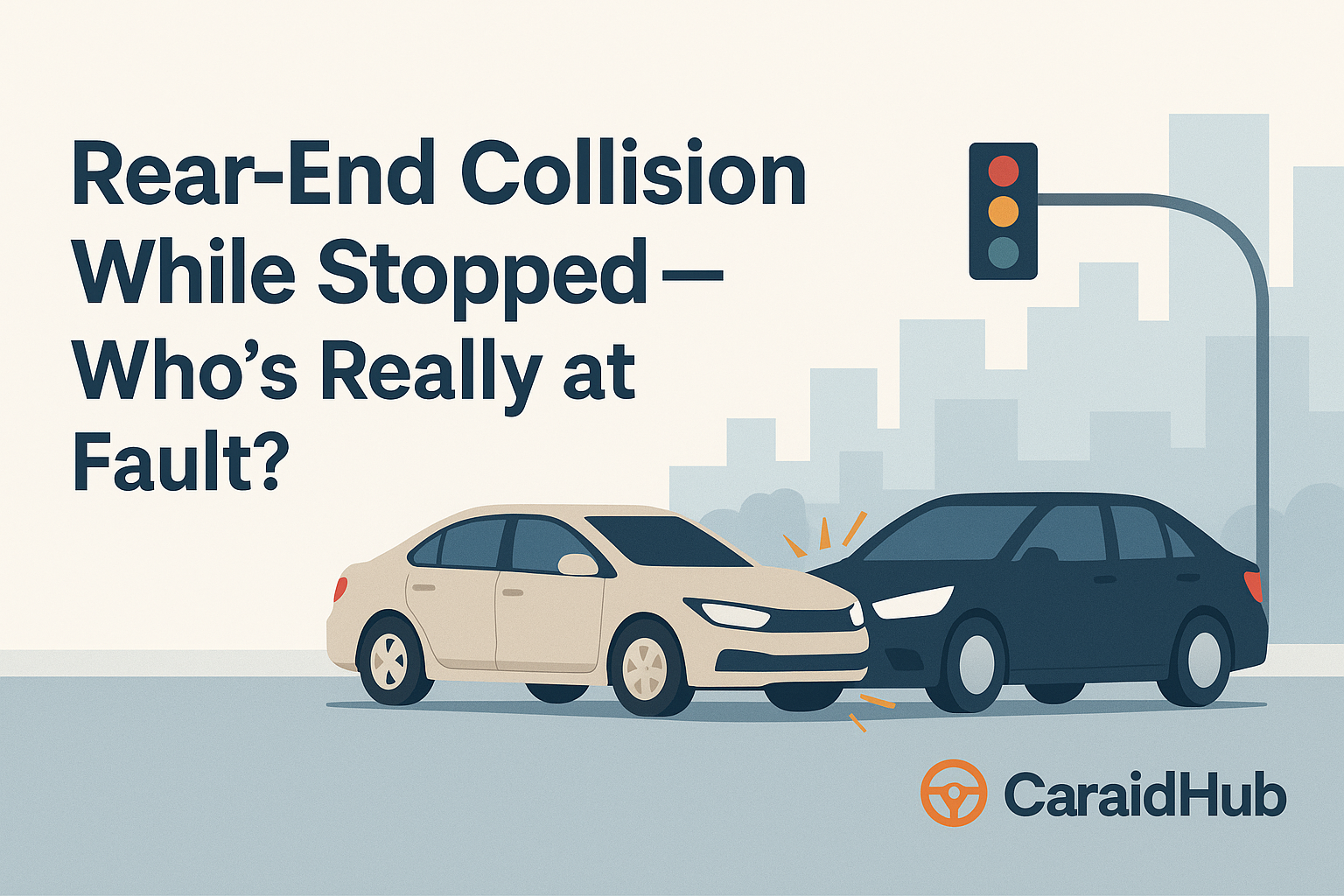
Rear-End Collision While Stopped — Is the Driver Behind Always at Fault?
If you’ve ever been sitting at a red light, in traffic, or at a stop sign and felt the sudden jolt of another car slamming into the back of you, you’re not alone. Rear-end collisions while stopped are one of the most common types of crashes in the United States. Most people assume there’s no question
-
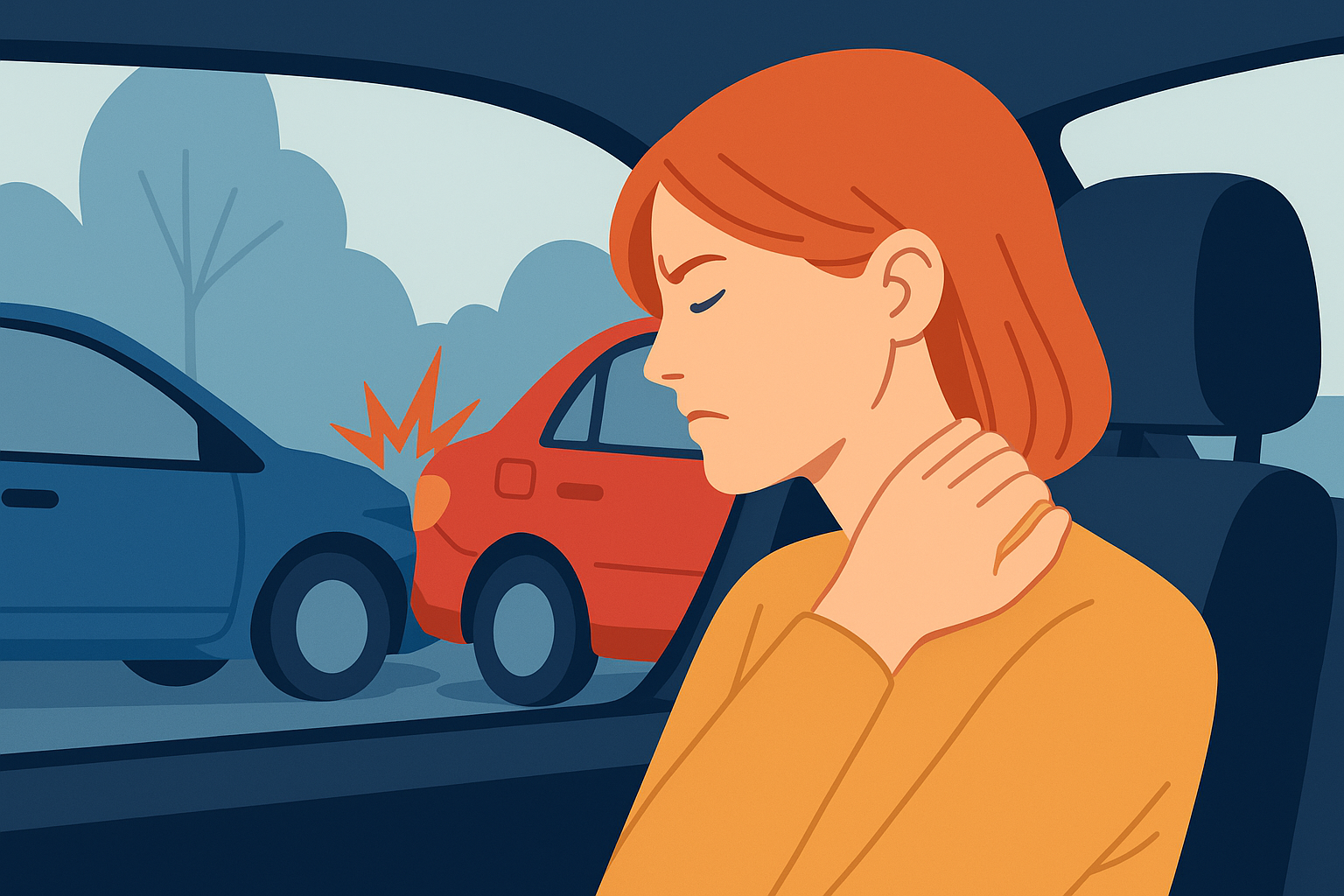
Soft Tissue Injuries After a Car Accident: Why “Just Soreness” Can Be a Big Problem
After a car accident, a lot of people walk away saying the same thing: “I’m fine. Just a little sore.” No broken bones. No visible cuts. No dramatic X-ray findings. But days or weeks later, that “little soreness” becomes: These are classic soft tissue injuries after a car accident — and they are one of the most misunderstood and most
-

Does a Minor Car Accident Affect Your Insurance Rates?
Most drivers worry about two things immediately after a car accident: When the crash is minor—a small dent in a parking lot, a light rear-end at a red light, or a sideswipe in slow traffic—o second question becomes even more confusing. You might be asking yourself: The answers are not as simple as many people think.
-
Should You Always Call the Police After a Minor Accident? The Truth Most Drivers Don’t Know (2025 Guide)
Most drivers assume calling the police after a car accident is only necessary when the crash is “serious.” No airbags. No visible injuries. A small scratch. A light tap in traffic. So why bother calling the police? Here is the truth most people don’t know: Failing to call the police after a minor accident is
-
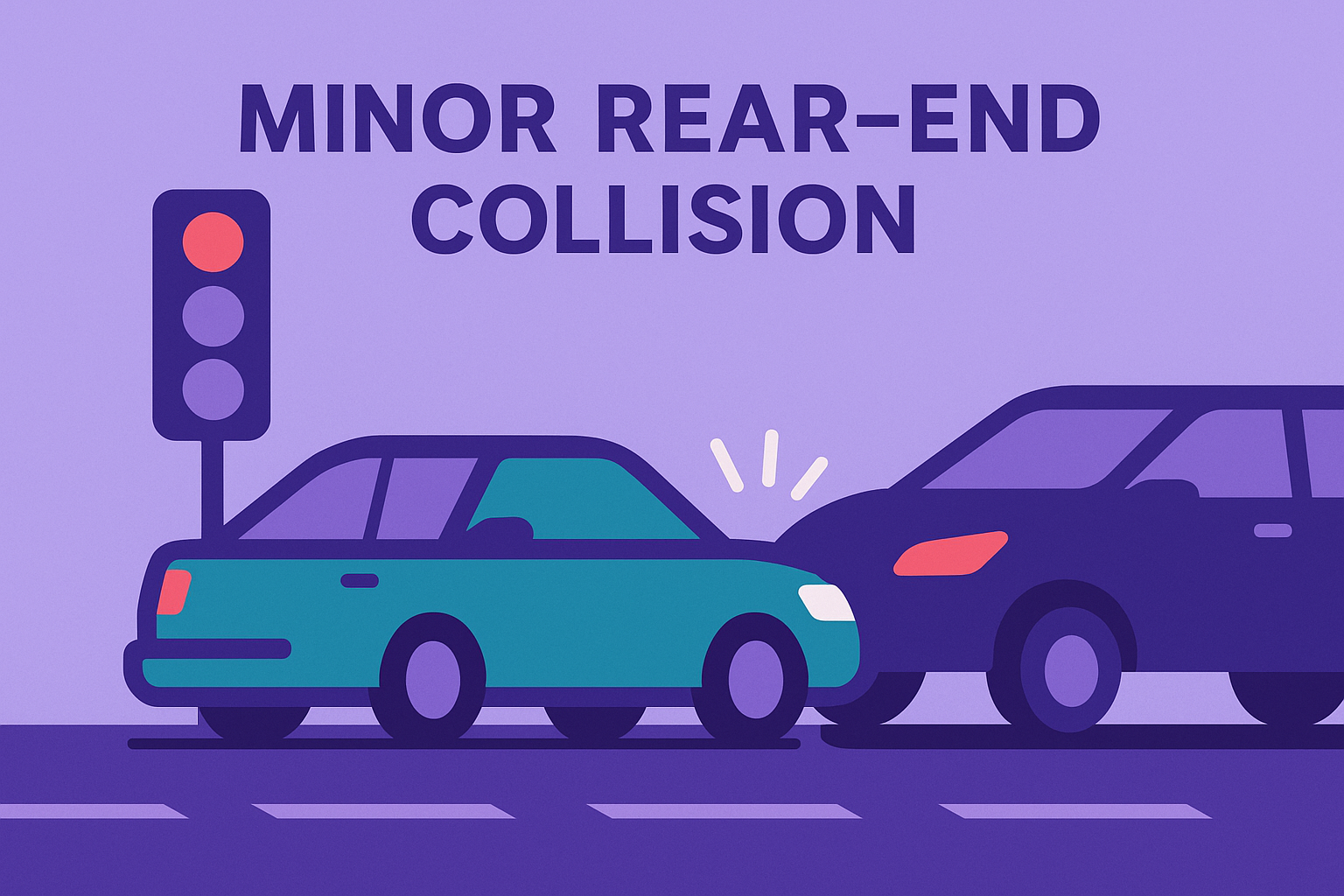
Minor Rear-End Collision: What Really Happens After a Low-Speed Crash (Complete U.S. Guide)
A minor rear-end collision is typically a low-speed accident involving little or no vehicle damage — but it can still lead to delayed injuries, insurance disputes, and long-term pain. Even crashes under 10–15 mph can cause whiplash, back injuries, and hidden soft-tissue damage. This guide explains common symptoms, fault rules, insurance tactics, settlement ranges, and real scenarios seen in 2024–2025. 🚗
-

Delayed Pain After a Car Accident — Why Symptoms Show Up Days or Weeks Later
Most people expect to feel pain immediately after a car accident — but thousands of Americans experience the opposite: They feel fine at the scene… then the real pain begins days or even weeks later. This phenomenon, known as delayed injury symptom onset, is so common that doctors, insurers, and attorneys all treat it as a