Category: Rear-end Accidents
-
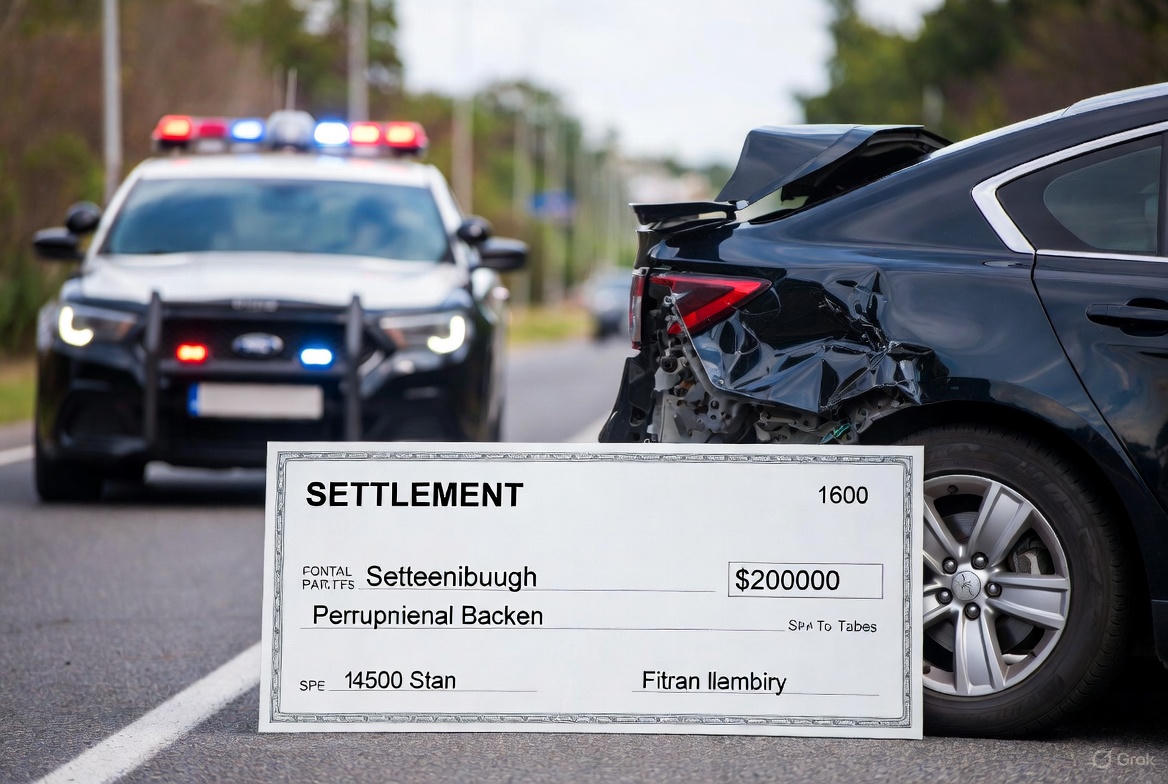
Rear-Ended by a Police Car: The Settlement Secrets No One Talks About (2025 Real Cases & Numbers)
You’re stopped at a light. Red and blue lights in your mirror… then BAM — a police cruiser slams into your rear end. In 2025, this happens over 9,000 times per year in the U.S. (per NHTSA police vehicle crash data). Most victims take the first low-ball offer because “you can’t sue the police,” right?
Written by
-
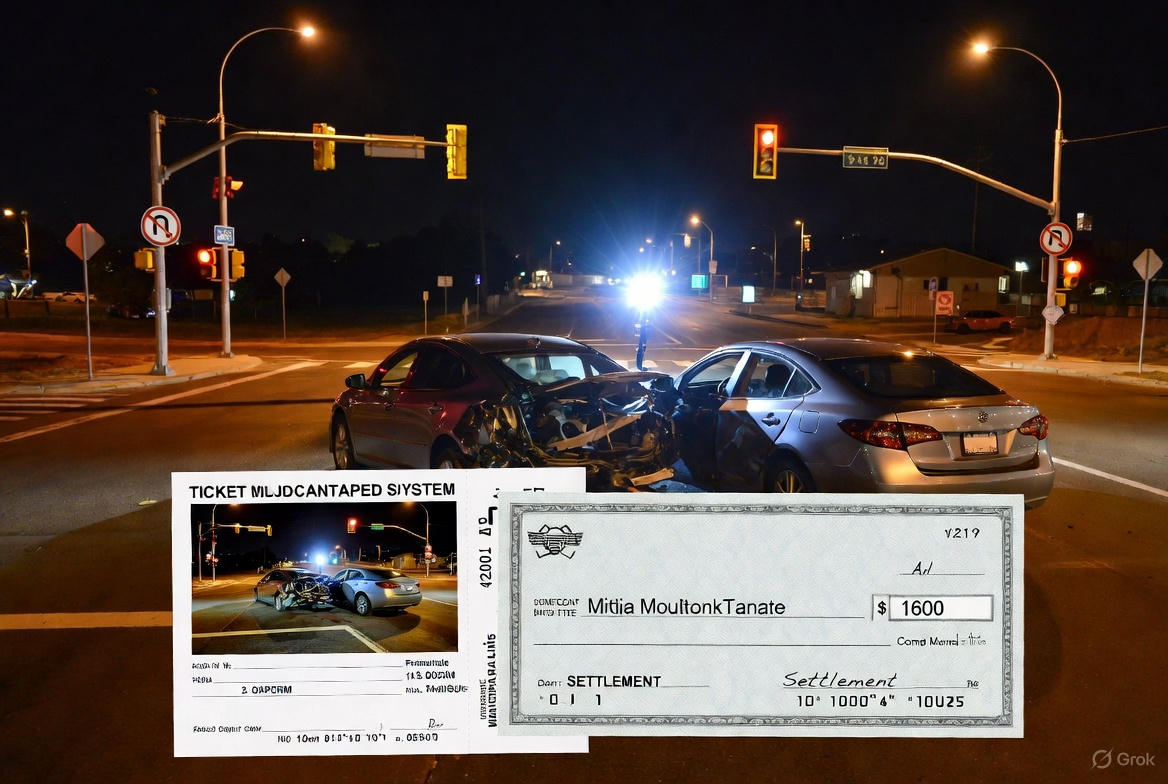
Rear-Ended While Stopped at a Red Light Camera: Does the Ticket Help or Hurt Your Claim in 2025?
In 2025, over 480 U.S. cities still use red-light cameras (and speed cameras). If someone rear-ends you at one of these intersections, you’ve basically won a secret bonus round most victims never cash in on. Here’s why that little flash + mailed ticket can add $25,000 – $150,000+ to your settlement — and exactly how
Written by
-
I Got Rear-Ended at 3 MPH and Still Walked Away With $47,000 – Here’s Exactly How (Real 2025 Case)
Everyone says “low-speed = low payout.” I’m living proof that’s dead wrong. March 14, 2025 – Walmart parking lot, Orlando, Florida. I’m stopped, waiting to pull into a spot. A 19-year-old in a 2012 Honda Civic taps my bumper at literally 3–4 mph. Damage? One tiny scratch and a slightly misaligned bumper cover. Repair estimate:
Written by
-
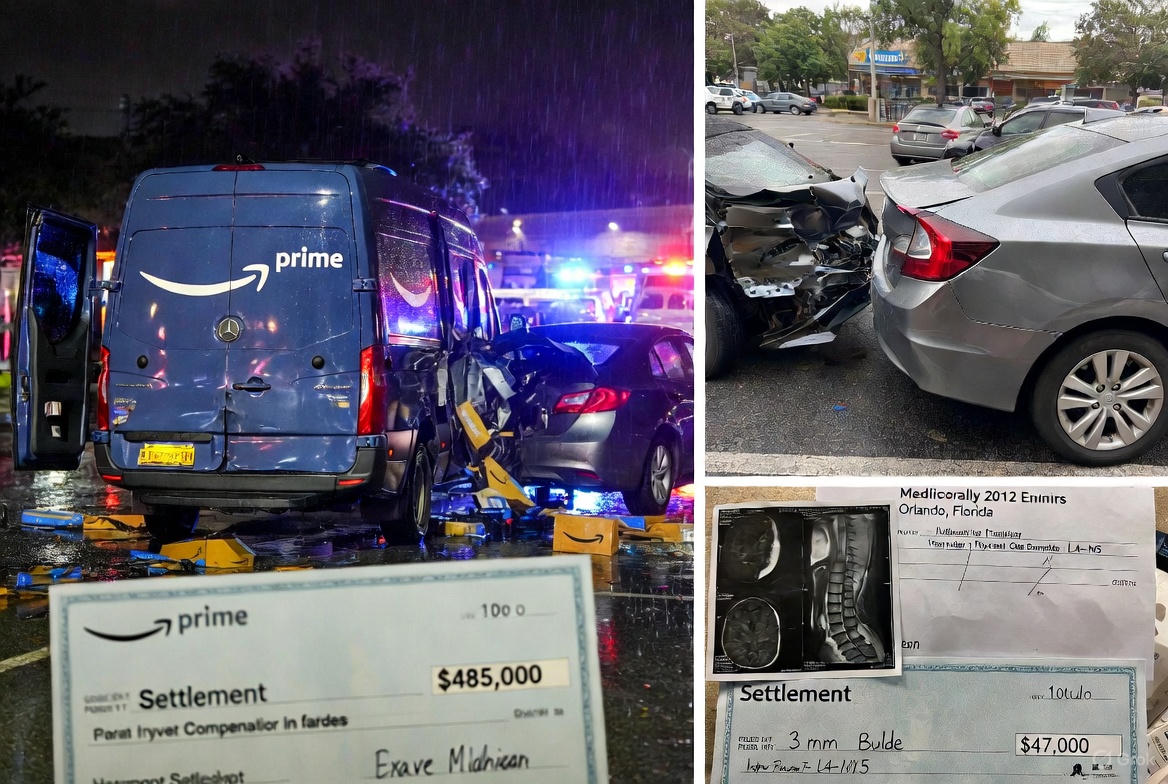
Rear-Ended by an Amazon Delivery Van: Why These Claims Pay 2–3x More
In 2025, Amazon operates over 250,000 delivery vans and Sprinter-style vehicles in the U.S. alone. They’re under insane pressure to hit 300+ stops per day. The result? Amazon drivers rear-end regular cars at a rate 17 times higher than the national average (according to 2024–2025 insurance data). If one of those blue-and-white Prime vans just
Written by

-
What Happens When You Get Rear-Ended by a Tesla on Autopilot? (Real 2025 Cases & Settlement Amounts)
If you live in California, Texas, Arizona, or Florida in 2025, the odds of being rear-ended by a Tesla running “Full Self-Driving (Supervised)” are no longer science fiction—they’re happening multiple times per week. NHTSA now lists over 2,400 reported Tesla Autopilot/FSD-related crashes as of November 2025, and rear-end collisions make up roughly 29% of them.
Written by

-
Rear-End Collision Settlement Amounts: What’s the “Average” Payout
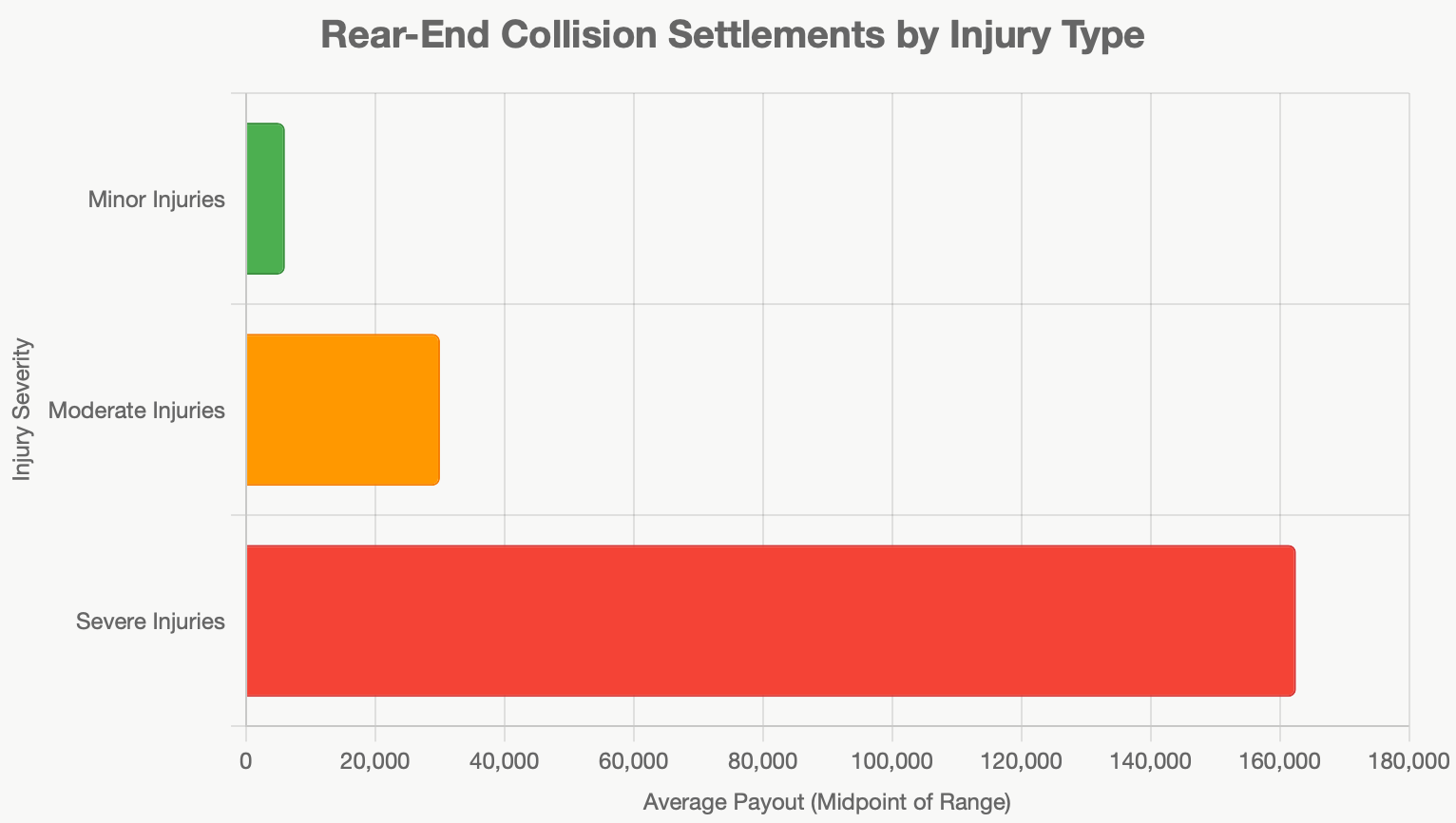
If you were rear-ended, it’s normal to start Googling things like: “Average rear-end collision settlement”“How much is my whiplash case worth?” You want a number. Something concrete you can plan your life around. Here’s the problem:There is no single, reliable “average” settlement for a rear-end collision.And any article that pretends there is is leaving out
Written by
-
How Long Should You Be Sore After a Rear-End Collision? (What’s Normal vs. Not)
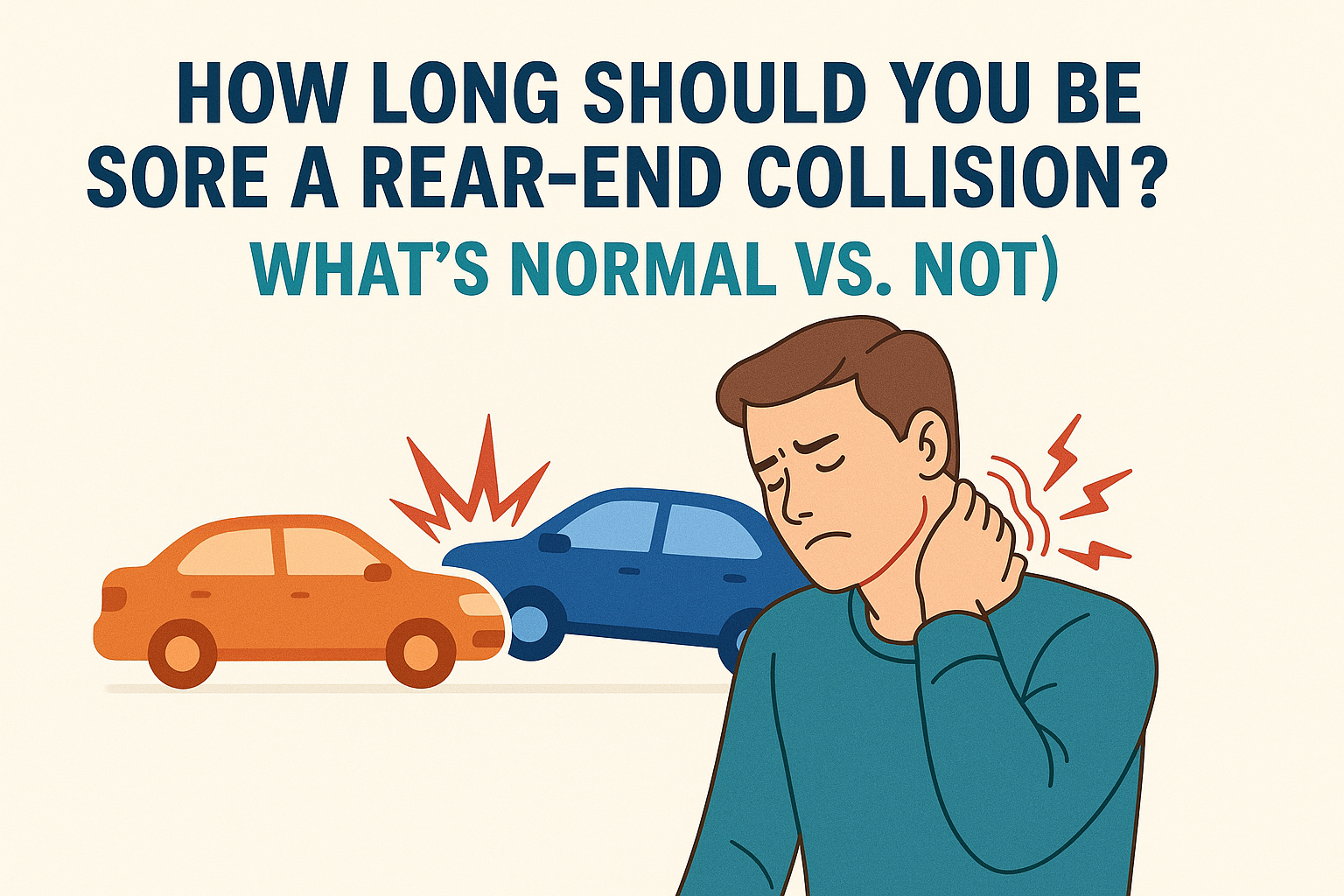
If you’re sore after a rear-end collision, you’re not alone. Even minor impacts — especially those under 15 mph — can cause muscle strain, soft tissue damage, whiplash, and inflammation that lasts days, weeks, or even months. But the question most people ask is: “How long should this pain last — and when should I
Written by
-
Rear-End Collision Pain Starting Days Later — Is It Normal?
Most people expect pain from a car accident to appear immediately. Hollywood has conditioned us to think that injuries happen instantly — dramatic, obvious, and impossible to miss. But real life works differently. In fact: Pain beginning days after a rear-end collision is not only normal — it’s one of the most common injury patterns
Written by

-
Insurance Adjuster Asking for a Recorded Statement After a Minor Accident — Should You Agree?
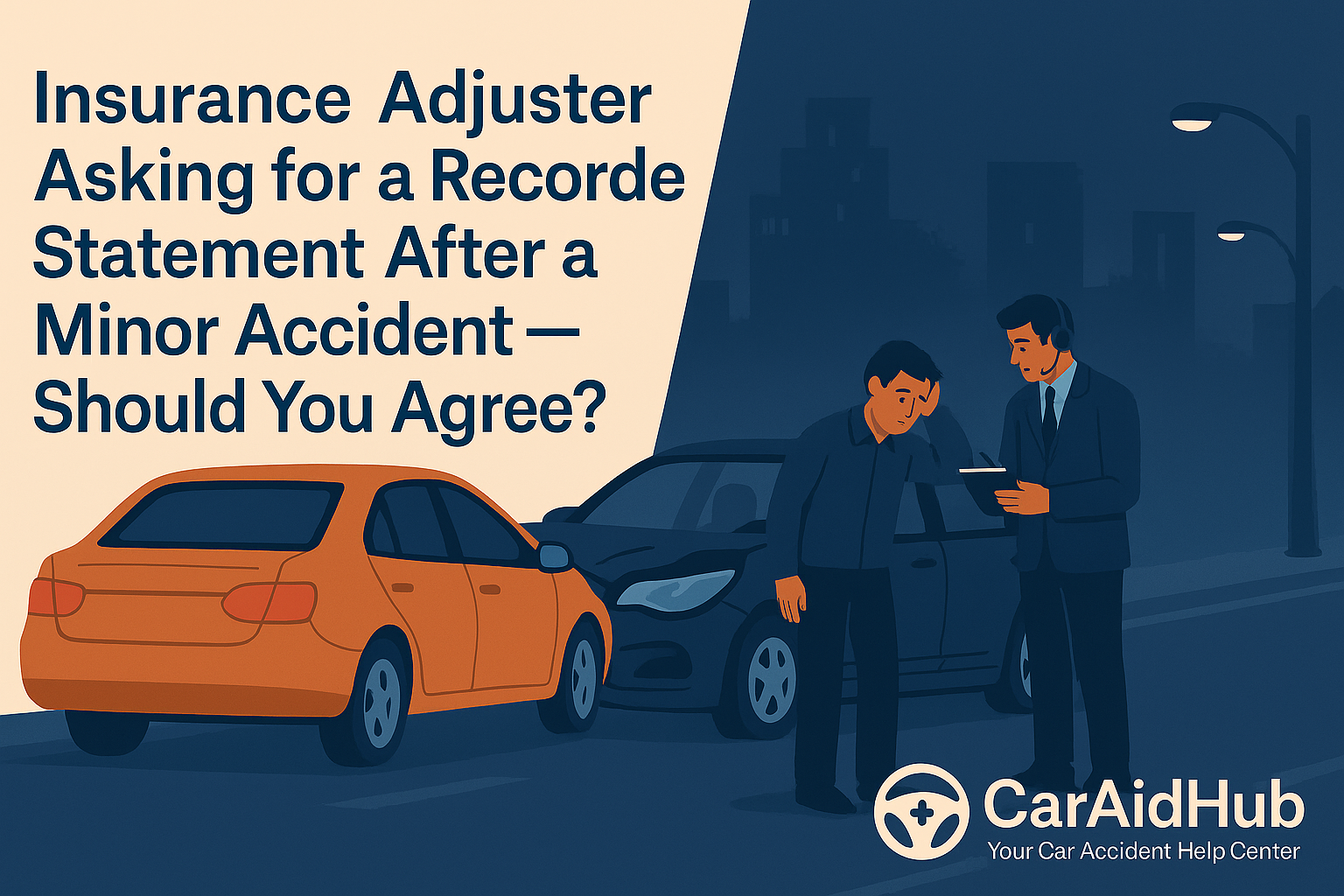
After a minor car accident — especially a low-speed rear-end collision — one of the first things many drivers experience is a phone call from the insurance adjuster. The adjuster sounds polite, reassuring, and calm. They may say things like: This is the moment where most people unknowingly damage their claim. Because the truth is:
Written by
-
Why Insurance Companies Deny Rear-End Collision Claims — Even When It’s Not Your Fault
Rear-end collisions are supposed to be the “easiest” type of car accident case. The driver behind is almost always assumed to be at fault. The damage pattern is predictable. The injuries are well-documented. So why do insurance companies still deny rear-end collision claims — even when you were completely stopped, minding your own business, and did nothing
Written by